
News ·
Updated government guide spells out air conditioning inspection rules for London buildings
Revised guidance makes the 12kW threshold and five year inspection cycle clearer for anyone who runs air conditioning in a building.
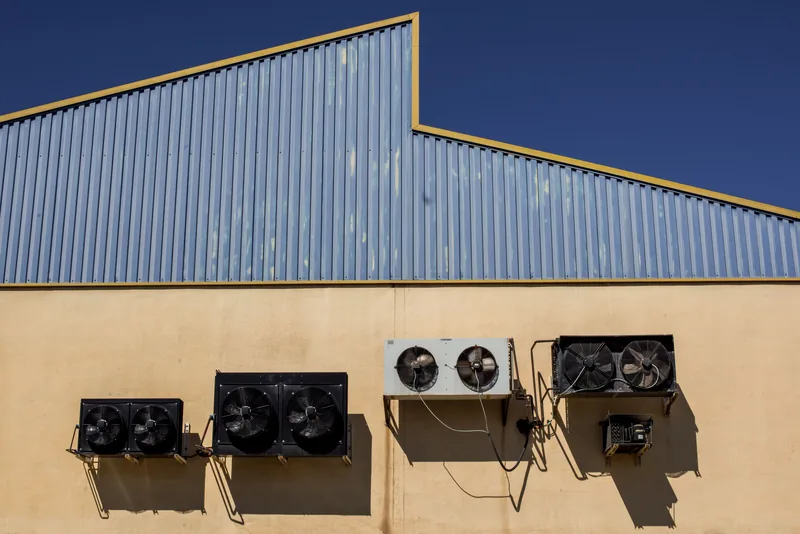
The Ministry of Housing, Communities and Local Government has updated its guide to air conditioning inspections under the Energy Performance of Buildings Regulations. The government says the revision removes outdated material, makes the 12kW and five year inspection rules more prominent, and clarifies how multiple units and buildings should be treated. It also adds clearer guidance on mechanical ventilation, Level 4 inspection reports and when systems need separate reports.
The core rules
Any air conditioning system with an effective rated output of more than 12kW must be inspected regularly by an accredited air conditioning energy assessor. Inspections must be no more than five years apart, and the first must happen within five years of the system first being put into service. The inspection covers the whole system, including newer parts.
The duty sits with the person who controls the system, such as the building owner or manager. A report is only valid once the assessor has lodged it on the Energy Performance of Buildings Register, which gives it a reference number.
Why it matters
The guide says inspections are meant to cut energy use, running costs and carbon emissions by pointing out how systems can run better, or where older and oversized units could be replaced. Complaints about a missing report can go to the local Trading Standards service, which has powers to act.
Source: GOV.UK (2026-11-05). Checked 2026-11-10.
London Builders introduces homeowners to independent builders and does not carry out building work. This article is general information, not advice.