
News ·
How commonhold works: updated government guidance for London flat owners
Updated government guidance explains how commonhold buildings are run, what the rulebook covers and how disputes between owners are handled.
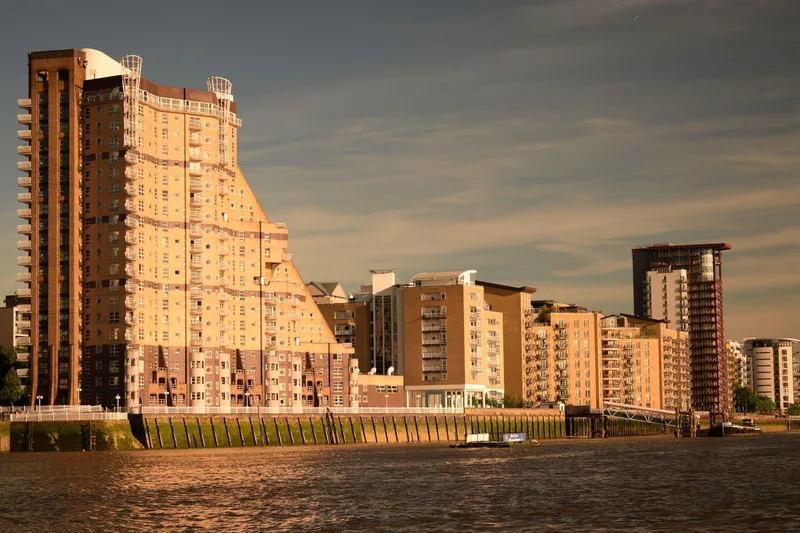
The government has updated its guidance on commonhold property to reflect the Commonhold and Leasehold Reform Bill. The guidance explains in plain terms how commonhold works for flats and other buildings with shared parts, which matters in London where so many homes are flats.
Owning a unit
With commonhold, you own your flat as a freehold with no time limit, instead of holding a lease for a fixed period. Each owner holds a unit and can join the commonhold association, which owns and manages the common parts such as the roof, external walls, stairs and lifts. The association must have at least two directors, who can be owners or hired professionals. The directors decide how much owners contribute to repairs and maintenance, and can manage the building themselves or appoint a managing agent.
The rulebook
Every commonhold has a Commonhold Community Statement setting out owners' rights and duties. The main rules are the same in every commonhold, but the association can add local rules and update them over time. Owners can vote on matters such as appointing directors or adding improvements like vehicle charging points.
Disputes
If owners and the association disagree, they must first follow the dispute procedure in the statement, which encourages early talks before anyone goes to court. The government says it wants commonhold to become the default tenure for flats.
Source: GOV.UK (Ministry of Housing, Communities and Local Government) (2026-11-19). Checked 2026-11-20.
London Builders introduces homeowners to independent builders and does not carry out building work. This article is general information, not advice.